


PATH OF EXILE 2
0.5 · Runes of Aldur
Shape Remnant rewards, survive runic waves and use Verisium crafting to develop your equipment.
Introduction
Shape Remnant rewards, survive runic waves and use crafting to develop your equipment.
What is Runes of Aldur?
Runic Ward: what it actually does
Protection against fatal damage
Runic Ward is a final defensive reserve. A damaging blow that would reduce Life to zero leaves you at one Life and sends the remaining damage to Ward. If the reserve cannot cover that remainder, you still die. It does not stop non-damage Life loss.
Regeneration and resource spending
Its default regeneration is 5% of maximum Ward per second. Kalguuran skills spend this same resource, so it can serve as both a defensive reserve and a skill budget. WDguide advice: inspect the remaining reserve after using a skill rather than treating the maximum value as permanently available.
Original 0.5 league: Farrow’s crafting progression
- 01
Act 1: establish the defence
In the original Runes of Aldur league, unlock Runeforging to add Runic Ward to armour. This route is historical; 0.5.5 core access starts with the Act 4 Runeseeker quest instead.
- 02
Act 2: improve modifiers
The original league’s next quest unlocks Alloys, which exchange an existing modifier for a crafted modifier. An Alloy changes an item; it does not simply grant a free extra affix.
- 03
Act 3: revisit Unique equipment
Unique Runeforging upgrades eligible low-level Unique weapon and armour bases. Develop an eligible Unique beyond its original base; do not assume every Unique receives the same improvement.
- 04
Act 4: specialise the runes
Ancient Rune crafting opens weapon-specific bonuses. Check the intended weapon type before planning a rune as an upgrade.
Playing this mechanic after 0.5.5?
Craft through a Remnant
- 01
Read the available slots
Remnants have between two and ten slots. Inspect the available Runeshapes and recipe before committing.
- 02
Choose a manageable result
Each extra Runeshape adds another enemy wave and more runic modifiers. WDguide advice: choose a reward you need at a difficulty your current setup can handle.
- 03
Win the encounter
Defeat the waves to claim the chosen item. Remnant monsters can also drop for crafting.
- 04
Follow Farrow’s quests
Campaign quests unlock Runeforging, Alloys, Unique upgrades and Ancient Rune crafting in stages.
Develop your equipment
Runeforging armour
Bases below level 55 gain Runic Ward without sacrificing their existing defences. Higher-level armour trades some base defence for it.
Alloys and Unique upgrades
Alloys replace an existing modifier with a crafted one. Eligible low-level Unique weapons and armour can be upgraded through Unique Runeforging.
Ancient and special runes
The update introduces weapon-specific Ancient Runes, early-game options and special crafting augments. Inspect the slot, item level and limit before using one.
Continue into endgame
- 01
Explore with Expedition
Endgame Expeditions incorporate the new Remnants and advanced crafting inscriptions.
- 02
Use Logbooks
Logbooks reveal ocean routes and islands, including Grand Expeditions and underground areas.
- 03
Build towards the bosses
The expanded Expedition route includes faction leaders and a new pinnacle encounter. Treat boss access as progression rather than a guaranteed reward from every island.
Check the complete equipment change
Common mistakes to avoid
A recipe is also a difficulty choice
More Runeshapes add enemy waves and modifiers. WDguide advice: prioritise a useful result you can finish over an ambitious failed encounter.
Check the equipment trade-off
After Runeforging, compare ordinary defences as well as Runic Ward. Keep the working item until the replacement is usable.
Choose the right version of the instructions
The original league’s Farrow progression and later core access are distinct. Use the version context above before following an unlock route.
Choose a reward you can finish
Crafting currency now

WDguide example: an eligible Remnant recipe offers currency such as . Read the recipe and its enemy modifiers before selecting additional Runeshapes. More waves are a higher combat commitment, not a free improvement to the same reward.
Runeforging later
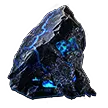
is used for Runeforging after its appropriate unlock. WDguide advice: first check whether the item is worth developing and what ordinary defences you would trade away. Do not spend a resource because the item has an empty-looking slot.
A bonus is not every encounter’s reward
Some Remnants have a separate one-time Bonus Reward. These are additional to the recipe result, with their own eligibility. Do not treat a previously claimed campaign bonus as repeatable loot from that area.
Choose the right crafting route
Your next step
Read the island before setting sail
Castaway: a Gold target
The “All that glitters…” rumour leads to Castaway. Its recorded modifier converts dropped items to Gold. WDguide advice: choose it for that outcome, rather than expecting an ordinary equipment-farming island.
Untainted Paradise: experience instead
The “Almost paradise.” rumour identifies Untainted Paradise. It increases experience gain, but monsters drop no items. WDguide advice: distinguish an experience goal from a currency or equipment goal before committing the journey.
Keep the recipe and journey separate
WDguide advice: read both the island modifiers and the intended Remnant recipe. A useful crafting result does not remove a travel-area restriction. Keep the ordinary equipment that makes the encounter manageable until the replacement is ready.
Runeforging and rune reference
Inspect this crafting item before using it. Check its equipment restrictions and the effect you are planning.
Artificer's Orb

Inspect this crafting item before using it. Check its equipment restrictions and the effect you are planning.

Inspect this crafting item before using it. Check its equipment restrictions and the effect you are planning.